
The Ultimate Garage Door Guide: Selection, Installation & Maintenance
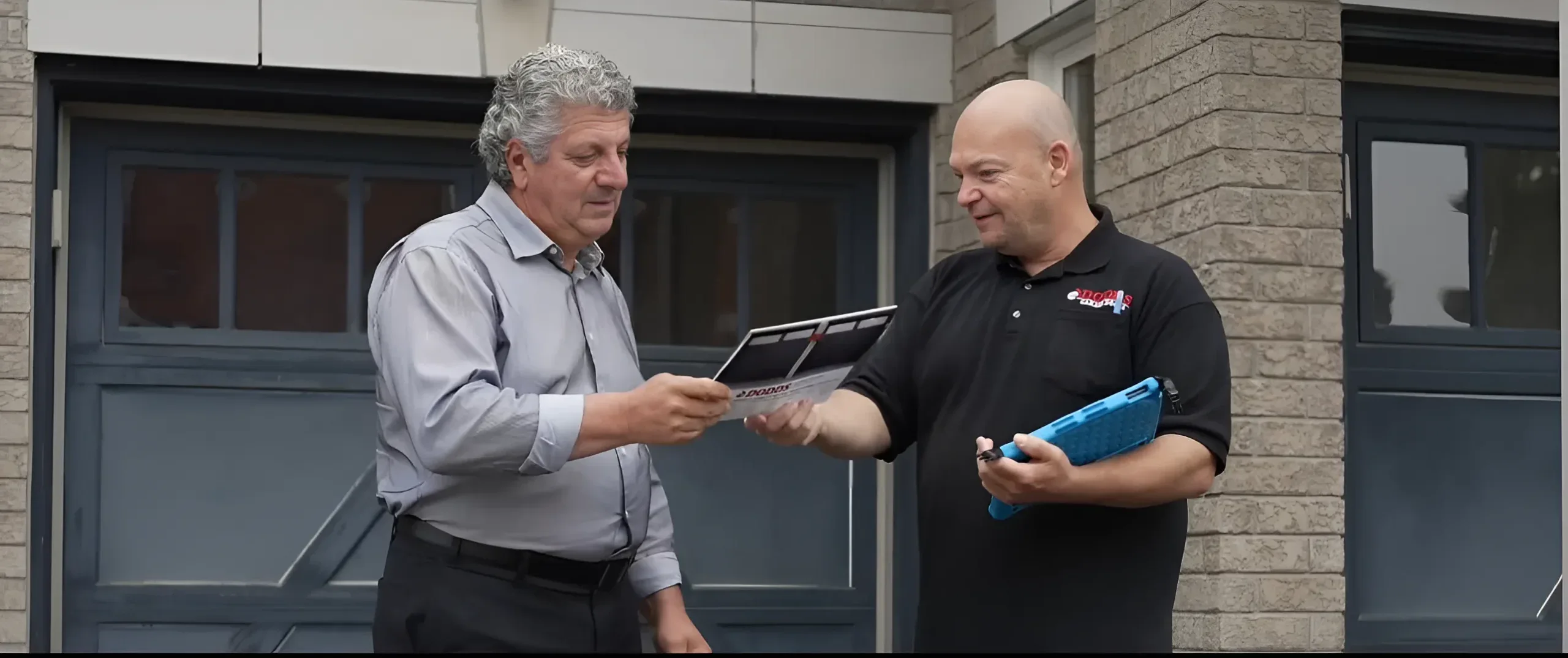
Your garage door is the largest moving part of your home and can represent up to 40% of your home’s facade. Beyond curb appeal, replacing a garage door consistently ranks as one of the best home improvement investments, delivering a Return on Investment (ROI) as high as 194%.
Choosing the right door is essential for your family’s safety and your home’s value. This comprehensive guide covers everything you need to know about replacing, repairing, and maintaining your garage door to help you make an informed decision.
Should You Repair or Replace Your Garage Door?
Deciding whether to invest in a repair or a full replacement depends on several key factors:
Breakage: If your door opens unevenly, makes loud noises, or fails to move, it likely needs a repair. While minor fixes are inexpensive, frequent issues suggest a replacement is a better long-term investment.
Age: Garage doors typically last up to 20 years. Beyond this, mechanical fatigue makes replacement more cost-effective.
Curb Appeal: Dents and flaking paint can be touched up, but a new door provides a polished, modern appearance that instantly boosts home value.
Safety & Security: Old doors with brittle parts are easier targets for break-ins and can close erratically. A new door ensures smooth, safe, and secure operation.
Utility Costs: Properly insulated modern doors decrease heating and cooling costs, especially if you have an attached garage or use the space as a workshop or gym.
Choosing the Right Door Style
When selecting a door, consider your home’s architectural style to ensure a cohesive look:
Modern: Best for homes with clean, straight lines. These look great in cool-toned palettes (white, black, or grey) or with warm faux-wood accents.
Coach House: Ideal for a warm, rustic feel. These feature subtle detailing and decorative hardware in warm tones like tan, sandstone, or brown.
Traditional: Conservative detailing that fits perfectly in suburban neighborhoods. These offer the most flexibility in terms of color and panel design.
Color & Finish Considerations
You can choose to match your exterior for a neutral look or contrast (often matching your front door) to make a bold statement. Keep in mind that darker colors hide dirt better but attract more heat, while high-reflective paint values help prevent fading over time.
Windows, Materials, and Glass Options
Adding windows is a popular way to refine your home’s look and introduce natural light into a dark garage.
Placement: Windows across the top are a classic, secure choice. Vertical side windows offer a more contemporary aesthetic.
Glass Types: Clear, tinted, or frosted glass (for maximum privacy).
Pro Tip: If you see condensation in winter, turn down the garage heat and ensure your windows are properly insulated.
Material Choices
Steel: The most common and durable material; it accommodates insulation easily.
Fiberglass: Rust-proof and durable, making it excellent for high-moisture environments.
Wood: Provides a premium, natural look but requires regular staining to prevent warping.
Full Glass: A striking architectural statement that floods the garage with light, though it offers minimal insulation.
Understanding Insulation and “R-Value”
Insulation does more than just regulate temperature; it dampens sound, prevents door denting, and increases the overall durability of the door.
In Canada, we recommend a minimum R-value of 9 up to a maximum of 18.
Polystyrene: Rigid slabs fitted into panels.
Polyurethane: A blown-in foam that expands into every crevice, providing the best insulation and a stiffer, more durable door.
Professional Installation: What You Need to Know
While a professional should always confirm final measurements, you can take a rough estimate to get an accurate quote:
Width & Height: The opening size (excluding trim).
Sideroom: The distance from the opening to the side wall.
Headroom: The space between the top of the opening and the ceiling.
Backroom: The depth from the opening to the back of the garage.
How to find a reputable company: Always look for a local provider with a long-standing history. Ensure they offer in-person quotes and a comprehensive warranty that covers both the door and the hardware (springs, rollers, and tracks).
Maintenance & DIY Care Tips
Perform these checks twice a year to maximize the lifespan of your door:
Look & Listen: Ensure the door lifts evenly and doesn’t make grinding noises.
Rust & Rot: Check the bottom of the door; waxing steel doors can protect them from winter road salt.
Weather Stripping: Clean and condition the seals to prevent cracking.
Lubrication: Use a specialized silicone-based lubricant on all moving hardware.
Upgrading Your Accessories
Garage Door Openers
Chain Drive: Durable and affordable, but louder—best for detached garages.
Belt Drive: Ultra-quiet; the preferred choice for garages attached to living spaces.
Side-Mounted: Saves ceiling space and creates a cleaner, high-end look.
Horsepower: Choose ½ HP for standard doors, ¾ HP for insulated or heavy doors, and 1 HP for solid wood or double doors.
High-End Hardware
Upgrade from standard plastic to nylon ball-bearing rollers for quieter operation. Consider high-cycle springs (25,000 cycles) and aluminum capping on your door frame to eliminate the need for painting and reduce maintenance.
Creating a Livable Space
If you are converting your garage into a home office, gym, or playroom, prioritize high R-value insulation and frosted windows for a combination of natural light and privacy.
Ready to start your project? Contact Dodds Garage Doors—the #1 rated garage door company in the GTA.